
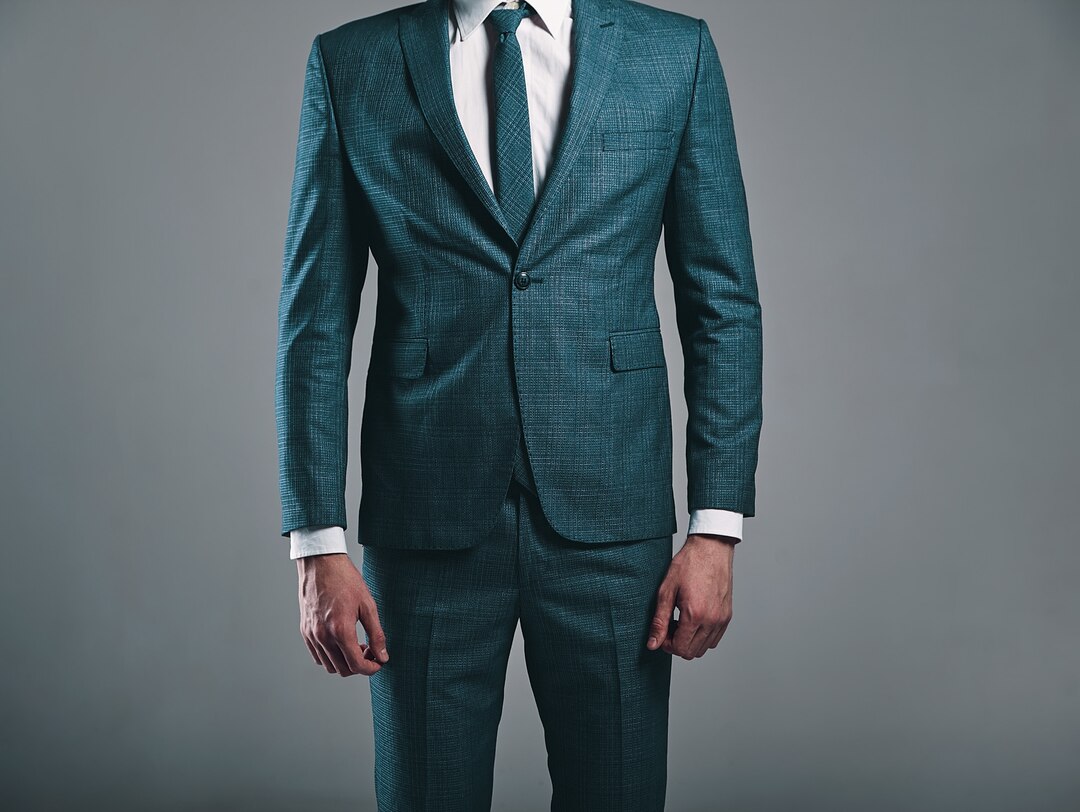
Why Choose High Quality Suiting Fabrics for Your Custom Suit
High quality suiting matters because fabric, not cut alone, decides how a suit drapes, breathes, and ages. Fibre type, weave density, and weight together determine whether a jacket holds its shape after a year of wear or starts to sag at the elbows within months, which is why fabric selection is usually the first real decision in any bespoke commission.
Anyone commissioning a custom suit in Bangkok eventually runs into the same wall of choice: wool, linen, blends, and a dozen weights in between, each promising something slightly different. Ravi Sehgal, the Sukhumvit Soi 19 tailoring house that has been cutting suits since 1976, treats fabric selection as the starting point of every fitting rather than an afterthought bolted on after the pattern is drawn. Getting this decision right saves money and disappointment later, because a badly matched fabric cannot be fixed by better stitching.
What Actually Makes a Suiting Fabric High Quality
Fibre length, twist consistency, and weave tightness are what separate a genuinely good cloth from a cheap one dressed up with a fancy label. Longer, finer wool fibres (measured as Super numbers) produce a smoother handle, though anything above Super 130s trades some durability for softness and needs careful rotation. Super 100s uses fibres around 18.5 microns, Super 150s drops to roughly 15.5 microns, and finer fibres feel more luxurious but handle less abuse. Weight, not thread count, is what most people should actually be checking before they buy.
How Does Fabric Weight Change a Suit's Performance in Bangkok
Fabric weight is measured in grams per meter, and lightweight cloth in the 180 to 240 gram range suits summer and tropical climates best. In a city where average humidity sits between 66 and 79 percent year round, a heavy worsted wool that looks sharp in a London boardroom will feel punishing by lunchtime. A tropical weight wool or a wool linen blend gets you most of the structure without the discomfort.
What Is the Real Difference Between Wool, Linen, and Blended Suiting
- Wool holds a crease, resists wrinkling, and works for daily office wear across most climates when cut in a tropical weight.
- Linen breathes exceptionally well in heat and humidity, though it creases within an hour of sitting down and that is simply part of wearing it.
- Wool linen blends borrow structure from wool and airflow from linen, landing somewhere between the two for travellers who need one suit for several climates.
- Cotton suiting sits closer to smart casual, with a crisper look than linen but less formality than worsted wool.
Nobody's wardrobe needs all four, but knowing what each one actually does prevents an expensive fabric from being wrong for its purpose.
Why Does Fabric Choice Determine How Long a Suit Lasts
A suit cut from a durable weave and a sensible weight can outlast the trend cycle it was bought in. Clients who have used Ravi Sehgal for over a decade have described suits still in good condition after ten years, which points more to fabric integrity than to any single stitching technique. Cheap fabric fails first at the seams and the seat, long before construction quality ever becomes the limiting factor.
Where Bangkok Buyers Can Actually Evaluate Suiting Fabric in Person
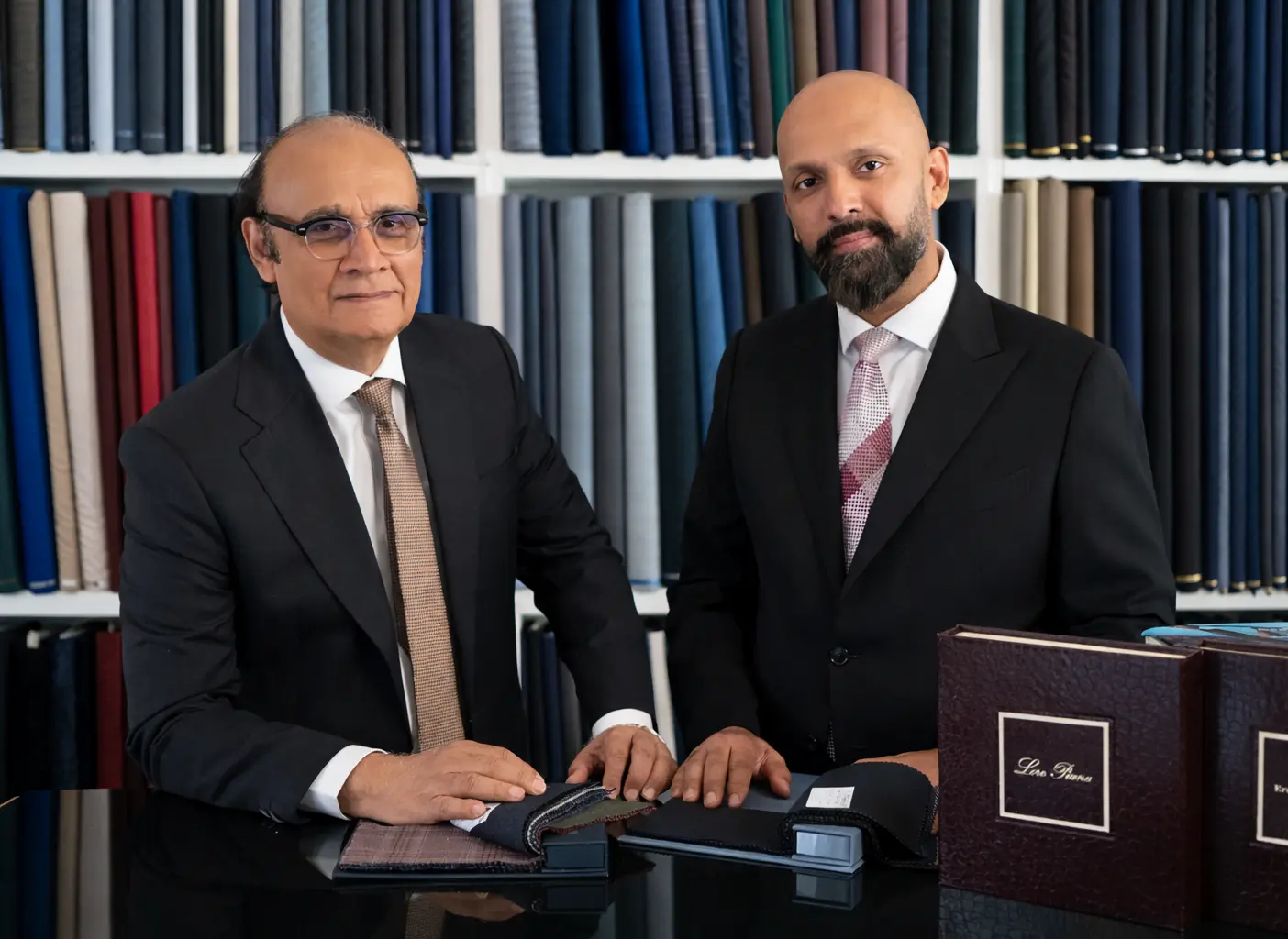
There is no substitute for handling cloth before committing to it, which is why fittings at the Sukhumvit shophouse start with fabric swatches rather than a finished style catalogue. Ravi Sehgal keeps Bemberg lining and natural horn buttons as standard rather than as an upsell, and does not offer fused construction suits at all, according to independent review coverage of the shop. That last point matters more than it sounds. Fused interlinings are the shortcut that makes a jacket collapse out of shape after a handful of dry cleans.
What Do Independent Reviews Say About Fabric and Construction Quality
An editorial review by The Best In Bangkok noted that the shop's standard build uses half canvas construction with full canvas available on request, alongside consistently high third party ratings across platforms. Independent coverage like this is worth reading before booking any fitting anywhere in the city, not just at one shop, because construction terms get used loosely by tailors who know most customers will not ask follow up questions.



Leave a Reply